The best fitness trackers with heart rate monitoring make it easier to understand daily activity, workouts, sleep, and recovery without carrying extra equipment. This roundup compares 10 options ranging from compact bands to larger smartwatch-style devices.
Features vary widely, especially for phone independence, health metrics, waterproofing, display quality, and app support. Use the guide below to narrow your choices based on how you plan to train, track wellness, and stay connected.
Best 10 Fitness Trackers with Heart Rate Picks for 2026
Best Overall
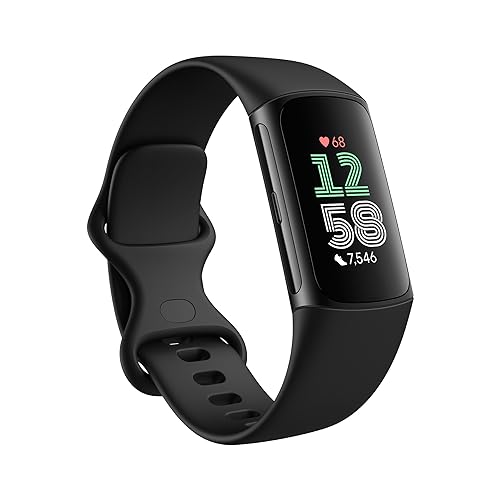
- 24/7 heart rate with built-in GPS
- 40+ exercise modes and sleep insights
- Google Maps and Google Wallet support
Best For: Active users wanting detailed tracking and Google features
Best Budget Smartwatch

- Heart-rate and sleep monitoring
- 140+ sports modes with IP68 rating
- Bluetooth calls and 1.83-inch display
Best For: Shoppers wanting smartwatch features on a budget
Best Slim Tracker

- 24/7 heart rate and 40+ exercise modes
- Sleep, stress, SpO2, and readiness insights
- Up to 10 days of battery life
Best For: Discreet everyday wellness and sleep tracking
Best Health-Focused Value
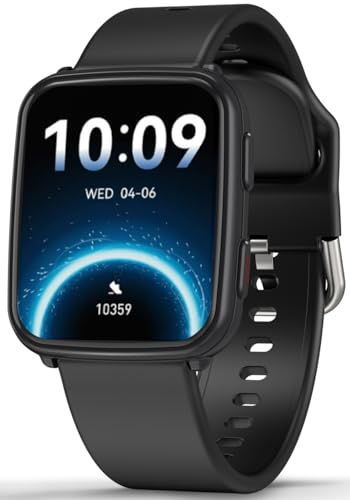
- 24/7 heart rate and blood-pressure monitoring
- 120+ sport modes and sleep tracking
- Women’s health and cycle features
Best For: Broad wellness and activity tracking on a value-focused device
Simple Setup Pick
No-Phone Heart Rate Fitness Tracker

- Tracks heart rate, sleep, steps, and calories
- Basic use does not require an app or phone
- IP68 rating with a stated 5–7-day battery
Best For: People seeking uncomplicated everyday tracking without mandatory smartphone setup
Feature-Rich Smart Band

- Offers 25 workout modes and automatic activity tracking
- Adds sleep, blood oxygen, and heart rate monitoring
- Includes IP68 protection and smartphone controls
Best For: Active users wanting broad workout and wellness features in a lightweight band
Workout Coverage Pick
MorePro 112-Sport Heart Rate Tracker

- Provides 112 sports modes and detailed workout metrics
- Tracks heart rate, sleep, blood oxygen, and blood pressure
- Includes notifications, reminders, and up to seven-day battery life
Best For: Users who want extensive exercise tracking with app-based health records
Versatile Smartwatch Pick

- Heart rate, sleep, steps, and blood oxygen tracking
- 12 sports modes with IP68 waterproofing
- Bluetooth calls, notifications, and 5–7-day battery
Best For: Shoppers wanting smartwatch features alongside everyday fitness tracking
Extended-Battery Choice
Zeacool 24/7 Heart Rate Tracker

- 24/7 heart rate plus blood oxygen and sleep monitoring
- 25 sport modes and 5 ATM waterproofing
- 10–14 days of regular-use battery life
Best For: Active users who want long battery life and broad wellness metrics
Everyday Wellness Pick

- Continuous heart rate and sleep tracking
- 25 sports modes with connected GPS
- IP68 water resistance and up to 7-day battery
Best For: Daily activity, sleep, notification, and workout-route tracking
Best Overall – Fitbit Charge 6
The Fitbit Charge 6 is a strong all-around choice among fitness trackers with heart rate, combining 24/7 heart-rate monitoring with built-in GPS, exercise tracking, sleep insights, and Google features. It suits shoppers who want detailed fitness data without moving to a full-size smartwatch.
Best For: Active users who want built-in GPS, broad health tracking, and Google conveniences.
Pros:
- Tracks 24/7 heart rate, Active Zone Minutes, Daily Readiness, sleep, and stress metrics.
- Includes built-in GPS, 40+ exercise modes, and automatic exercise tracking.
- Offers Google Maps directions, Google Wallet payments, and YouTube Music controls.
- Rated for water resistance to 50 meters and offers up to seven days of battery life.
Cons:
- Some added coaching features require a separately sold Google Health Premium subscription.
- Compatibility requires Android 11.0 or newer or iOS 16.4 or newer.
Choose the Charge 6 if you value a compact tracker with robust workout and recovery features, especially when built-in GPS and Google integration matter.
Best Budget Smartwatch – 140+ Sport Mode Fitness Watch
This smartwatch is a practical pick among fitness trackers with heart rate for shoppers who want a large display, Bluetooth calling, and extensive activity options at a smartwatch-style size. It monitors heart rate and sleep while adding everyday phone-connected tools.
Best For: Users seeking a large touchscreen, Bluetooth calls, and many sport modes.
Pros:
- Provides real-time heart-rate detection and sleep-quality analysis.
- Includes 140+ sports modes for activities such as walking, running, cycling, and swimming.
- Offers Bluetooth calling, notifications, music control, and remote camera control.
- Its 1.83-inch HD display and 350mAh battery support approximately five to seven days of daily use.
Cons:
- GPS is provided through a connected smartphone rather than built into the watch.
- Messages can be viewed but cannot be answered from the watch.
- Actual battery life varies with usage.
This model makes sense when smartwatch functions and screen size are more important than standalone GPS or advanced training analysis.
Best Slim Tracker – Fitbit Inspire 3
The Fitbit Inspire 3 is a lightweight, minimalist option among fitness trackers with heart rate. It focuses on continuous heart-rate, activity, stress, and sleep tracking in a compact design, with up to 10 days of battery life for fewer charging interruptions.
Best For: Users who prefer a discreet tracker for everyday wellness and sleep monitoring.
Pros:
- Offers 24/7 heart-rate monitoring, all-day activity tracking, and 40+ exercise modes.
- Includes Daily Readiness, Stress Management, sleep scores, and automatic exercise tracking.
- Adds irregular heart rhythm notifications, SpO2, menstrual health tracking, and resting heart rate.
- Provides up to 10 days of battery life and water resistance to 50 meters.
Cons:
- GPS is available through a connected smartphone rather than built into the tracker.
- The small 0.76-inch display may be less convenient for reading detailed information.
- Compatibility requires Android 11.0 or newer or iOS 16.4 or newer.
The Inspire 3 is a particularly good fit for unobtrusive daily wear, especially if sleep, stress, and recovery insights matter more than on-device navigation.
Best Health-Focused Value – MorePro Fitness Tracker
The MorePro Fitness Tracker offers a broad set of health and lifestyle features for shoppers comparing fitness trackers with heart rate. Along with 24/7 heart-rate monitoring, it tracks blood pressure, blood oxygen, sleep, workouts, and women’s health metrics, while supporting more than 120 sport modes.
Best For: Users wanting extensive health, activity, and women’s-cycle tracking in one wearable.
Pros:
- Tracks 24/7 heart rate, blood pressure, on-demand blood oxygen, sleep, steps, calories, and distance.
- Includes 120+ sport modes and real-time workout metrics.
- Supports menstrual-cycle, ovulation, trying-to-conceive, and pregnancy modes.
- Offers IP68 water resistance, notifications, more than 200 watch faces, and up to seven days of normal-use battery life.
Cons:
- The product notes state that its health features are not for medical use.
- It does not support PCs or tablets.
- Battery life can reach up to seven days in normal use, but varies by usage.
Consider the MorePro if you want a feature-rich wellness companion with cycle tracking and many sport modes, while keeping medical decisions separate from its readings.
Simple Setup Pick – No-Phone Heart Rate Fitness Tracker
If you want fitness trackers with heart rate monitoring without relying on a phone every day, this LIVIKEY model offers a straightforward option. It tracks heart rate, sleep, steps, calories, distance, and active time, while its nine sport modes cover common activities such as walking and running.
Best For: Shoppers who want a simple tracker that can function like a regular watch without requiring an app or smartphone connection for basic use.
Pros:
- No app or phone is required for basic tracker use
- Automatic heart rate and sleep monitoring
- IP68 water resistance and a stated 5–7-day battery life
- Includes notifications, alarms, breathing guidance, and sedentary reminders
Cons:
- Only nine sport modes are listed
- GPS functionality is via a smartphone rather than built in
- It cannot make calls or send texts
This is a practical choice for buyers who prioritize uncomplicated daily tracking. It still supports smartphone notifications and optional app-based features, but its main appeal is the ability to use core functions without a phone connection.
Feature-Rich Smart Band – 25-Sport Heart Rate Tracker
This smart band combines fitness trackers with heart rate monitoring and a broad set of wellness features in a lightweight design. Along with all-day heart rate tracking, it records sleep stages and blood oxygen, supports 25 sport modes, and adds everyday tools such as music control and phone finding.
Best For: Active users who want multiple workout modes, sleep and wellness tracking, and smartphone notifications in one compact band.
Pros:
- Includes 25 sport modes and automatic activity tracking
- Monitors heart rate, sleep stages, and blood oxygen
- IP68 waterproof design for rain, sweat, swimming, or showering
- Offers call, text, and app notifications plus music and camera controls
Cons:
- No GPS is built in
- Battery claims vary between up to seven days of continuous use and 10–14 days of regular use
- Advanced health readings should be treated as wellness information, not medical diagnosis
With its 1.47-inch OLED display and wide feature set, this model is suited to shoppers who want more than basic step counting. Its lack of built-in GPS matters most to users who want route tracking without carrying a phone.
Workout Coverage Pick – MorePro 112-Sport Heart Rate Tracker
For shoppers comparing fitness trackers with heart rate monitoring across many activities, the MorePro tracker stands out for its 112 sports modes. It also records blood oxygen, blood pressure, sleep, steps, speed, calories, and workout duration, with records reviewed through the FitCloudPro app.
Best For: Users who want extensive exercise-mode coverage, detailed activity records, and practical health and notification features.
Pros:
- Supports 112 sports modes for varied workouts
- Tracks heart rate, blood pressure, blood oxygen, sleep, and activity metrics
- Includes call and message notifications, reminders, weather, and Find Phone
- Offers interchangeable silicone and nylon bands plus up to seven days of battery life
Cons:
- Requires the FitCloudPro app and a compatible Android or iOS smartphone for syncing
- GPS is via a smartphone rather than built in
- It is not compatible with iPads, tablets, or PCs
The MorePro is the most exercise-oriented option in this group, particularly for users who will use its large selection of sports modes. Its app requirement and smartphone-based GPS make it less suitable for anyone seeking a fully standalone tracker.
Versatile Smartwatch Pick – Full-Touch Fitness Tracker
For shoppers comparing fitness trackers with heart rate monitoring, this full-touch smartwatch combines activity tracking with everyday smartwatch features. It supports 12 sports modes, sleep monitoring, blood oxygen tracking, smartphone notifications, and Bluetooth calling, while its water-resistant design suits workouts and daily wear.
Best For: Users who want a larger smartwatch display, broad everyday features, and basic fitness tracking in one device.
Pros:
- Tracks heart rate, sleep, steps, sports activity, and blood oxygen saturation.
- Supports 12 exercise modes, including running, swimming, cycling, and basketball.
- IP68 waterproof design and a 230 mAh battery rated for 5–7 days of use.
- Offers notifications, Bluetooth calls, music control, weather, alarms, and remote camera control.
Cons:
- GPS functionality is provided through a connected smartphone rather than built-in GPS.
- The supplied details describe blood pressure monitoring but do not establish its accuracy for medical use.
This is a feature-rich choice for shoppers who prefer a larger screen and smartwatch conveniences alongside heart-rate and activity tracking. It is best viewed as a general wellness and notification device, not a medical monitor.
Extended-Battery Choice – Zeacool 24/7 Heart Rate Tracker
The Zeacool is a practical option among fitness trackers with heart rate monitoring, especially for users who want frequent health readings and longer time between charges. It adds blood oxygen, blood pressure, temperature, sleep, activity, and exercise tracking in a compact design with 5 ATM water resistance.
Best For: Users prioritizing extended battery life, swimming-friendly water resistance, and broad wellness tracking.
Pros:
- Provides 24/7 heart rate monitoring plus blood oxygen, blood pressure, temperature, and sleep tracking.
- Offers 25 sport modes and records steps, distance, and calories in the Keep Health app.
- 5 ATM waterproof construction is designed for swimming, bathing, rain, and other wet conditions.
- Battery life is rated at 10–14 days with regular use and up to 30 days on standby.
Cons:
- Its 1.10-inch screen is more compact than many full-size smartwatches.
- The supplied notes do not specify built-in GPS or establish medical-grade measurement accuracy.
With its longer stated battery life and 5 ATM rating, the Zeacool stands out for active users who dislike frequent charging. Its extensive health metrics are useful for trend tracking, but should be treated as general wellness information.
Everyday Wellness Pick – AMOLED Activity Tracker
This AMOLED fitness tracker is designed for everyday monitoring, making it a straightforward choice among fitness trackers with heart rate capabilities. It continuously tracks heart rate, supports 25 sports modes, monitors sleep, and adds connected GPS, smartphone notifications, and reminders for hydration and sedentary periods.
Best For: Users seeking a compact tracker for daily activity, sleep insights, notifications, and guided workout records.
Pros:
- Provides continuous heart-rate tracking and records steps, calories, distance, and exercise time.
- Tracks sleep stages and sleep duration through the Keep Health app.
- Includes 25 sports modes and connected GPS for recording workout routes.
- IP68 water resistance, smartphone notifications, female health tracking, and up to 7 days of battery life.
Cons:
- GPS depends on a connected smartphone rather than being described as built-in.
- At 1.10 inches, the AMOLED display may feel small for users wanting a larger smartwatch screen.
- Health readings are for reference and should not replace medical advice.
This model balances core fitness tracking with useful daily conveniences in a compact format. It is a sensible fit for users who want heart-rate trends, sleep data, and route tracking without stepping up to a larger smartwatch.
How We Picked the Best Fitness Trackers with Heart Rate Monitoring
We focused on the features that matter most for everyday tracking: continuous or workout-based heart-rate monitoring, step and calorie estimates, sleep tracking, display readability, comfort, water resistance, battery practicality, and compatibility with common phones. We also included different styles and price points, since a minimalist activity band suits a different buyer than a smartwatch with calls and notifications.
Health sensors can be useful for spotting trends, but consumer trackers are not medical devices. Treat blood pressure and blood oxygen readings as informational unless a qualified healthcare professional advises otherwise.
Quick Comparison
- Best established ecosystem: Fitbit Charge 6 and Fitbit Inspire 3.
- Best for a compact, low-distraction design: Fitbit Inspire 3 or a simple pedometer-style tracker.
- Best for calls and notifications: Smartwatch-style models with Bluetooth calling and larger touchscreens.
- Best for broad wellness metrics on a budget: MorePro, Zeacool, and similar trackers offering heart rate, sleep, blood oxygen, or blood pressure estimates.
- Best for swimming and frequent outdoor use: Look for clearly stated water-resistance ratings, such as IP68 or 5 ATM, and confirm the manufacturer’s usage limits.
Key Buying Factors for Fitness Trackers with Heart Rate
Heart-Rate Accuracy and Measurement Style
Continuous monitoring is useful for resting trends and general activity, while workout readings help estimate exercise intensity. A secure, comfortable fit usually improves readings. If you need clinically reliable measurements, choose dedicated medical equipment rather than relying on a wrist tracker.
Phone, App, and Notification Support
Check whether the tracker requires a smartphone for setup, syncing, GPS, or historical reports. Some models work with both iPhone and Android, while others offer limited features outside their preferred app ecosystem. Bluetooth calling also requires a compatible phone nearby and may affect battery life.
Battery, Display, and Comfort
A slim band is generally lighter and less intrusive during sleep, while a larger screen is easier to read during workouts and for notifications. Consider charging frequency, strap adjustability, screen brightness, and whether the device feels comfortable overnight.
Water Resistance and Workout Features
Sport modes can help organize different activities, but more modes do not automatically mean better tracking. Match the device to your routine and verify whether its water rating supports showers, swimming, or only splash resistance.
Who Should Buy Which Fitness Trackers with Heart Rate?
Choose the Fitbit Charge 6 if you want a recognizable platform with robust activity features and a more capable fitness-band format. The Fitbit Inspire 3 is a better fit for buyers who prioritize a smaller, simpler tracker for steps, sleep, and general wellness.
Choose a smartwatch-style option if on-wrist calls, notifications, a larger display, and numerous sport modes matter more than the smallest possible design. Budget-focused shoppers may prefer MorePro, Zeacool, or comparable models with broad sensor lists, provided they are comfortable checking app quality, support, and measurement limitations before buying.
Finally, choose a no-phone or no-app tracker only when simplicity and basic step or heart-rate information are the priority. Before checkout, confirm compatibility, return terms, included band sizes, charging method, and the exact health features supported in your region.