Finding the right balance pad can make standing exercises, rehab routines, and at-home stability work feel safer and more comfortable. The best options for seniors offer enough cushioning to challenge balance without feeling unstable or overly soft.
Below, we’ve focused on pads that are supportive, non-slip, and practical for home use, physical therapy, and gentle strength work.
Best 10 Foam Balance Pads for Seniors Picks for 2026
Budget-Friendly Stability Pad
ProsourceFit Exercise Balance Pad
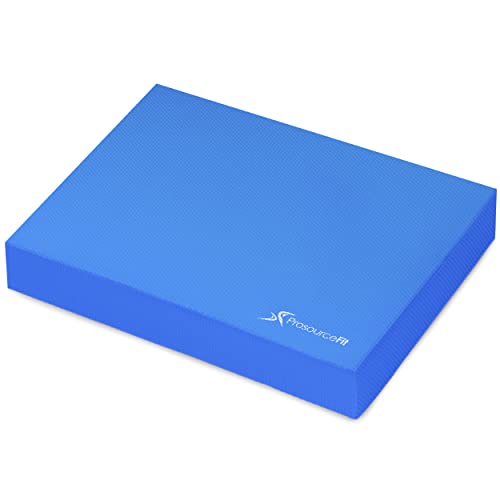
- Unstable surface supports balance and core training
- Non-slip, sweat-proof TPE is easy to clean
- Useful as a cushion, knee pad, or meditation pad
Best For: Older adults and beginners wanting a versatile starter pad
Roomier Rehab Pad

- Extra-large size offers more standing room
- TPE build is resilient and easy to clean
- Suited to therapy, mobility, and coordination work
Best For: Seniors and taller adults who want extra surface area
Simple Therapy Cushion

- Soft, thick foam supports ankles, knees, and elbows
- Non-slip and water-resistant surface is easy to maintain
- Compact and portable for home or therapy use
Best For: Older adults wanting a soft, compact pad for light training
Durable Training Pad
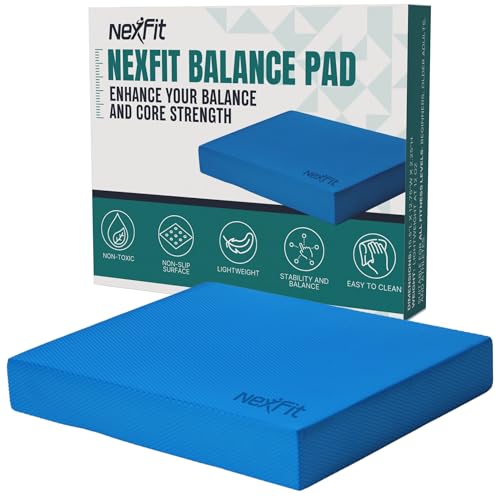
- Unstable surface builds balance and core control
- High-density TPE is non-slip and sweat-proof
- Lightweight design suits home, gym, or office use
Best For: Seniors and active adults wanting a durable all-purpose pad
Therapy-Ready Stability Pad
Professional Balance Pad for Physical Therapy

- Textured nonslip TPE surface
- Made for balance, rehab, and mobility work
- Lightweight and portable in two sizes
Best For: Seniors and rehab users needing gentle stability training
High-Density Rehab Trainer
Gurus Balance Pad for Home Gym
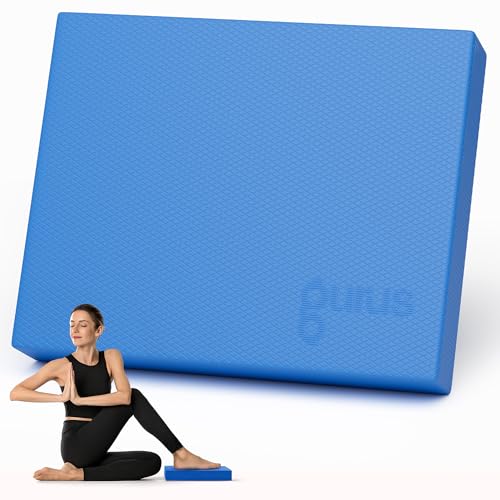
- High-density TPE foam for supportive training
- Textured surface helps improve traction
- Extremely lightweight and easy to carry
Best For: Beginners and seniors who want a portable rehab pad
Size-Fit Stability Pad
Large Balance Pad for Rehabilitation
- Two sizes to better match user needs
- TPE build supports balance and stability work
- Includes one-year warranty and customer support
Best For: Seniors and taller adults who need a size-conscious rehab pad
Comfortable Stability for Joint-Friendly Training
StrongTek High-Density TPE Balance Pad

- Supportive high-density TPE foam
- Textured non-slip surface for grip
- Large size for standing or kneeling
Best For: Seniors wanting a supportive, easy-to-clean pad for balance and therapy
Extra-Large Support for Everyday Stability Work
ProsourceFit XL Exercise Balance Pad

- Extra-large 18.75" x 15" surface
- Slip-resistant, sweat-proof TPE material
- Useful for rehab, seating, and standing desk use
Best For: Older adults who want a larger pad for balance, rehab, and everyday support
Dual-Sided Cushioning for Rehab and Home Workouts

- 2.4" thick dense TPE cushioning
- Diamond-grid texture improves grip
- Waterproof and easy to wipe clean
Best For: Seniors wanting a compact, cushioned pad for therapy and balance drills
Budget-Friendly Stability Pad – ProsourceFit Exercise Balance Pad
If you’re comparing foam balance pads for seniors, this ProsourceFit pad is a practical place to start because it gives a мягнее, unstable surface for balance practice, core work, and rehabilitation-style exercises. Its non-slip TPE build is easy to clean, and the size is manageable for standing drills, seated use, or light mobility work at home.
Best For: Older adults and beginners who want a versatile balance pad for stability training, light rehab, or everyday comfort use.
Pros:
- Unstable foam surface helps train balance, core strength, and foot/ankle stability.
- Non-slip, sweat-proof TPE material is easy to clean after workouts.
- Versatile enough for use as a seat cushion, knee pad, or meditation cushion.
- Lightweight and easy to carry at just 12 oz.
Cons:
- Standard size may feel small for users who want more standing room.
- Less specialized than pads made specifically for larger rehab setups.
Overall, this is a simple, flexible balance pad that covers the basics well without adding complexity. For seniors who want a dependable starting point for stability work, it offers a sensible mix of comfort, portability, and everyday usefulness.
Roomier Rehab Pad – XL Balance Pad for Therapy
Among foam balance pads for seniors, this extra-large option stands out if you want more standing space and a steadier feel during therapy-style exercises. The TPE material is built for resilience and easy cleaning, and the larger XL size is meant to suit taller adults or anyone who prefers extra room during rehabilitation and mobility training.
Best For: Seniors, taller adults, and rehab users who want a larger balance surface for safer training.
Pros:
- XL surface area gives more room for balance drills and rehab exercises.
- TPE material offers elasticity, resilience, and easy maintenance.
- Designed to support balance, coordination, and body control.
- Useful for therapy, stretching, mobility work, and daily comfort use.
Cons:
- Larger footprint makes it less compact than smaller pads.
- Best fit depends on user size, so the brand recommends choosing carefully.
This pad makes sense if safety and extra standing area matter more than portability. For seniors who want a roomier platform for balance practice or physical therapy exercises, the XL format is a strong advantage.
Simple Therapy Cushion – Stability Trainer Pad
If you want foam balance pads for seniors that keep things straightforward, this stability trainer pad is a compact therapy cushion with a soft, thick feel. It is designed for balance work, yoga, Pilates, dance, and physical therapy, while the non-slip, water-resistant surface helps it stay usable in everyday home routines.
Best For: Older adults who want a compact, soft balance pad for therapy and light stability training.
Pros:
- Soft, thick foam helps support ankle stability and relieve knee or elbow pressure.
- Non-slip, water-resistant surface is easy to clean and does not absorb moisture.
- Compact size makes it convenient to carry and store.
- Suitable for therapy, yoga, Pilates, dance, and balance workouts.
Cons:
- Smaller footprint may feel limiting for users who want more standing space.
- Maximum weight rating is listed at 300 pounds.
In practical use, this is a no-fuss pad that emphasizes comfort and portability. For seniors who want a basic pad for light rehabilitation or balance practice, it offers the core features without unnecessary extras.
Durable Training Pad – High-Density TPE Balance Pad
For shoppers comparing foam balance pads for seniors, this high-density pad is aimed at stability, portability, and everyday versatility. Its unstable surface is designed to challenge core and ankle control, while the non-slip, sweat-proof TPE construction makes it a practical pick for home workouts, rehab sessions, or simple seated support.
Best For: Seniors and active adults who want a durable, portable balance pad for training and everyday use.
Pros:
- Unstable surface supports balance, core strength, and body control.
- High-density TPE material is non-toxic, sweat-proof, and slip-resistant.
- Lightweight design makes it easy to move between home, gym, or office.
- Can also be used as a seat cushion, knee pad, foot pad, or meditation pillow.
Cons:
- Standard size may feel restrictive for users who want a larger platform.
- Maximum weight recommendation is listed at 300 pounds.
This is a solid all-around option if you want a balance pad that can handle repeated use without feeling bulky. For seniors who value portability and a simple, multi-use design, it checks the key boxes well.
Therapy-Ready Stability Pad – Professional Balance Pad for Physical Therapy
If you’re comparing foam balance pads for seniors, this professional pad is built for safe stability work, gentle core activation, and everyday mobility training. Its textured, nonslip TPE surface is made to support balance drills, stretching, and rehab routines while remaining easy to wipe clean after use.
Best For: Seniors, rehab users, and adults who want a supportive balance pad for physical therapy and low-impact stability training.
Pros:
- Designed for balance exercises, mobility training, and injury recovery
- Textured, sweat-resistant TPE surface helps reduce slipping
- Lightweight and portable for home, gym, office, or outdoor use
- Available in two sizes to fit different training needs
Cons:
- Soft instability may feel challenging for first-time users
- Size selection matters if you want extra standing space
Overall, this is a practical choice if you want a versatile foam pad that can support rehab-style balance work without adding extra bulk. The 300-pound weight recommendation and durable TPE build make it a straightforward option for everyday stability routines.
High-Density Rehab Trainer – Gurus Balance Pad for Home Gym
For shoppers looking at foam balance pads for seniors, this Gurus model focuses on controlled instability, core engagement, and simple rehab-friendly training. The high-density TPE foam and textured surface are designed to help with balance work, stretching, and recovery routines while staying light enough to move around easily.
Best For: Seniors, beginners, and home users who want a lightweight balance pad for therapy, stretching, and basic stability exercises.
Pros:
- High-density TPE foam offers soft but supportive training
- Textured surface provides steady traction for safer workouts
- Very lightweight at 16 oz. for easy transport
- Versatile enough for exercise, rehab, seat use, or meditation
Cons:
- Only one size is listed, so fit may be less flexible
- Dry clean only care is less convenient than wipe-clean surfaces
This pad is a solid pick if you want a simple, portable balance trainer for daily use at home or on the go. It stays focused on the basics: traction, softness, and lightweight convenience for controlled balance practice.
Size-Fit Stability Pad – Large Balance Pad for Rehabilitation
This balance pad is a good fit if you want foam balance pads for seniors with clear size choices and a rehab-friendly design. The TPE material is meant to provide elasticity, support, and wear resistance, while the product guidance helps buyers choose between the compact L size and the roomier XL size.
Best For: Seniors, taller adults, and therapy users who want a size-specific balance pad for rehabilitation and stability exercises.
Pros:
- Two size options make it easier to match user needs
- TPE material offers resilience, support, and easier cleaning
- Built for balance, coordination, and strength training
- Includes a one-year warranty and 7/24 customer service
Cons:
- Correct foot placement is important to avoid edge instability
- Larger XL size may be better for users who need more standing space
Compared with simpler pads, this one stands out for its size guidance and warranty support. If you want a balance pad that can be matched more carefully to body size and training needs, it offers a practical, therapy-minded option.
Comfortable Stability for Joint-Friendly Training – StrongTek High-Density TPE Balance Pad
If you’re comparing foam balance pads for seniors, this StrongTek pad is a practical pick for gentle stability work, rehab drills, and seated support. The high-density TPE foam gives a supportive feel without being overly soft, while the textured, non-slip surface helps keep workouts controlled and comfortable.
Best For: Seniors who want a roomy, supportive pad for balance practice, physical therapy, kneeling, or under-desk comfort.
Pros:
- High-density TPE foam offers supportive cushioning for knees, feet, and elbows.
- Textured, non-slip surface adds grip for safer balance and rehab exercises.
- Larger 15.8″ x 13″ x 2″ size gives more room for standing, kneeling, or seated use.
- Water-resistant design is easy to wipe clean after regular use.
Cons:
- Hand wash care may be less convenient than fully wipe-only products.
- At 2 inches thick, it may feel firmer than extra-plush foam pads.
This is a versatile, low-fuss balance pad that covers the basics well for home therapy and light training. If you want a stable, easy-to-maintain option with broad day-to-day use, it is a strong all-around choice.
Extra-Large Support for Everyday Stability Work – ProsourceFit XL Exercise Balance Pad
For seniors looking at foam balance pads for seniors, the ProsourceFit XL pad stands out for its extra-large surface and versatile use. Its unstable foam surface is designed to challenge balance and core strength, while the slip-resistant TPE material is made for sweaty workouts, yoga, and easy cleanup.
Best For: Older adults who want a bigger balance pad for rehab exercises, stability work, or multi-use support at home.
Pros:
- Extra-large 18.75″ x 15″ size provides more standing room and exercise space.
- Foam surface helps improve balance, core strength, and body awareness.
- Non-slip, sweat-proof TPE material is practical for regular workouts and easy cleaning.
- Multi-use design can also work as a seat cushion, knee pad, or standing desk foot pad.
Cons:
- The unstable surface may feel challenging for first-time users.
- Its XL footprint may be more than some users need for simple seated support.
Overall, this is a roomy, functional option for people who want one pad that can do more than basic balance drills. The larger size and versatile design make it a flexible choice for home exercise and recovery routines.
Dual-Sided Cushioning for Rehab and Home Workouts – HAPBEAR Textured Balance Pad
This HAPBEAR option is a solid choice if you want foam balance pads for seniors that focus on cushioning, traction, and simple upkeep. The dense TPE foam and 2.4-inch thickness help reduce joint stress, while the textured bottom and double-sided design add stability for physical therapy and home exercise.
Best For: Seniors and adult users who want a cushioned, grippy pad for balance training, therapy, and recovery exercises.
Pros:
- Dense TPE foam with 2.4″ thickness provides soft yet sturdy cushioning.
- Diamond-grid textured surface helps keep the pad from shifting during use.
- Dual-sided design gives two functional surfaces for different workouts.
- Waterproof material wipes clean easily after daily sessions.
Cons:
- The 15″ x 12″ size is more compact than some extra-large balance pads.
- Product details list conflicting size measurements, which may be confusing.
In practice, this pad is best for users who want reliable cushioning and traction without a bulky footprint. It looks well suited to home rehab, light balance work, and regular low-impact training.
How We Picked These Foam Balance Pads for Seniors
We focused on Foam Balance Pads for Seniors that support safe, low-impact balance training and comfortable rehabilitation. Key factors included traction, cushioning density, durability, size, and whether the pad is easy to use for daily home exercise or therapy.
We also favored versatile designs that can work for standing drills, seated stability practice, knee support, and light stretching without taking up much space.
Quick Comparison
In general, firmer pads provide more stability and are a better starting point for beginners, while softer or thicker pads create a bigger challenge for users who already have good confidence and control. Larger pads can feel more forgiving, but compact pads are easier to store and may be better for targeted exercises.
Key Buying Factors for Foam Balance Pads for Seniors
Density and Firmness
A pad should compress enough to train balance, but not so much that it feels wobbly. For many seniors, medium-density foam is the safest and most practical choice.
Surface Grip
Look for a non-slip top and bottom so the pad stays in place on hardwood, tile, or carpet. Good traction helps reduce unnecessary shifting during use.
Thickness and Comfort
Thicker pads usually feel softer underfoot and are useful for joint comfort, kneeling, and seated work. If stability is the main goal, slightly thinner or firmer options may be easier to manage.
Size and Footprint
Choose a size that fits the user’s stance and intended exercise. A wider pad gives more room for foot placement, while a smaller pad can encourage focus and control.
Material and Cleanup
Durable foam or TPE materials are preferable for regular use. Easy-to-clean surfaces matter if the pad will be used often at home or in therapy settings.
Who Should Buy Which Foam Balance Pads for Seniors?
Beginners and cautious users should start with a stable, medium-firm pad with strong grip. Seniors focusing on rehab, ankle work, or gentle balance drills may prefer a cushiony but supportive model. If kneeling comfort matters, choose a thicker pad. If portability and storage are priorities, a lighter compact pad is the better fit.
For most buyers, the best choice is the pad that feels secure underfoot while still providing just enough challenge to improve balance over time.