Lightweight seat lift assist devices can make standing from a chair, sofa, or recliner feel safer and less strenuous. They’re especially helpful for seniors, people recovering from injury, and anyone who needs a steadier boost without a bulky lift chair.
In this roundup, we focus on portable, easy-to-use options with different support levels, power styles, and weight capacities so you can find the best fit for your home and mobility needs.
Best 10 Lightweight Seat Lift Assist Devices Picks for 2026
Portable Gentle-Rise Seat Lift
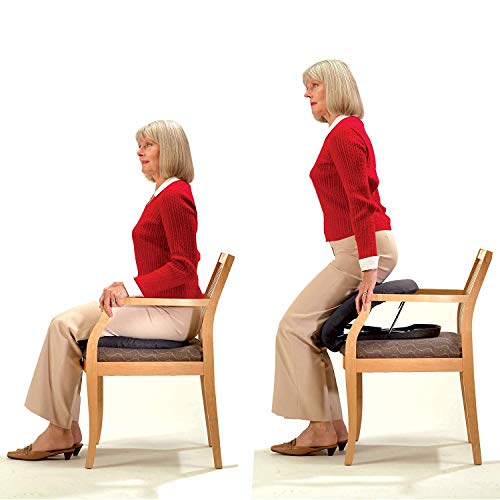
- 9 lb portable design with carry handle
- Self-powered lift with up to 70% assistance
- Works on most armchairs and firm sofas
Best For: Portable, battery-free support for home and travel
Classic Portable Seat Cushion Lift

- Adjustable weight settings for better fit
- Supports up to 340 lbs.
- Portable 10 lb design for easy moving
Best For: Firm, portable sit-to-stand support on stable chairs
Powered Comfort Lift Assist
VOCIC Electric Seat Lift Assist AX16

- Electric motor for smooth stand assistance
- 15° lifting path designed for stability
- Wired remote and built-in handle
Best For: Indoor users wanting powered lift support on a favorite chair
Lightweight Everyday Seat Support
- 9 lb portable design with carry handles
- Self-powered lift, no batteries needed
- Up to 70% assistance for 95 to 220 lbs
Best For: Portable daily sit-to-stand help for adults and seniors
Portable Manual Lift Assist
Seat Boost Non-Electric Lift Assist Cushion

- Self-powered gas spring lift, no electricity required
- Portable at 8.5 lbs for use at home or away
- Firm memory foam design focused on stand assistance
Best For: People who want a non-electric, portable stand-assist cushion
Remote-Control Inflatable Assist
Vive Inflatable Seat Assist Cushion with Remote

- Inflatable cushion gives a gentle, balanced lift
- Remote control simplifies inflation and deflation
- Compact enough for home use, travel, and car seats
Best For: Shoppers who want a compact, remote-controlled assist cushion
Powered Sit-to-Stand Lift
SeatBoost Electric Lifting Cushion V2

- Electric motor delivers steady sit-to-stand assistance
- Plugs into the wall; not battery powered
- Portable 8.5 lb design for easier movement
Best For: Users who need a powered, plug-in lifting cushion with strong assistance
Durable Pneumatic Lift

- 220 lb capacity with up to 35° lift angle
- Portable, no-tool setup with hidden carry handle
- Soft pad and simple button control
Best For: Seniors and adults needing a durable portable lift aid
Powerful Sit-to-Stand Aid
Premium Electric Lifting Cushion v2
- Supports up to 240 lb for standing assistance
- Lightweight 8.5 lb design plugs into the wall
- Built for function, not comfort
Best For: People who need firm electric lift support
Lightweight Portable Lift
Superhandy Electric Seat Lift Assist Cushion

- Only 8 lb and easy to carry
- Battery-powered pneumatic lift with remote control
- Air cushion mode adds seated comfort
Best For: Seniors who want portable lift help with remote convenience
Portable Gentle-Rise Seat Lift – Carex Upeasy Seat Assist Plus
If you want lightweight seat lift assist devices that help with standing without adding much bulk, the Carex Upeasy Seat Assist Plus is built for simple, portable support. It weighs just 9 pounds, uses self-powered hydro-pneumatic lift technology, and is designed to work on most armchairs and firm sofas.
Best For: Seniors or adults who need a portable, battery-free lift aid for home use and occasional travel.
Pros:
- Provides up to 70% lift assistance without batteries or electricity.
- Lightweight 9 lb design with built-in handle makes it easy to carry.
- Patented LeveLift Technology offers a gentle rise without pushing forward.
- Washable, waterproof cover is easy to clean.
Cons:
- Not recommended for wheelchairs, recliners, or soft sofas.
- Best suited to users who can walk independently and begin standing on their own.
This is a practical choice if you want a compact lift cushion that supports everyday mobility on compatible chairs. Its low weight and simple maintenance make it especially appealing for regular home use.
Classic Portable Seat Cushion Lift – UPEASY Lifting Cushion UPE3
The UPEASY Lifting Cushion UPE3 is a straightforward option for buyers comparing lightweight seat lift assist devices that are easy to move and simple to set up. It is designed for stable seating surfaces, offers adjustable weight settings, and provides gradual lift support up to 340 pounds.
Best For: Users who want a firm, portable lifting cushion for supported sit-to-stand movement on compatible chairs.
Pros:
- Adjustable settings let you match the lift to the user’s weight.
- Supports up to 340 lbs. and weighs about 10 lbs.
- Portable design makes it easy to move between seating areas.
- Slow, assisted rise helps with standing from a seated position.
Cons:
- Requires a stable chair or armchair for proper use.
- Not as low-effort as an electric lift for users needing a powered boost.
For shoppers who want a no-frills lift cushion with broad weight support, this model covers the basics well. Its simple operation and portability make it a dependable everyday aid when used on the right type of seat.
Powered Comfort Lift Assist – VOCIC Electric Seat Lift Assist AX16
Among lightweight seat lift assist devices, the VOCIC AX16 stands out because it adds powered support instead of relying on a spring mechanism alone. It uses a smooth electric motor, a wired remote, and a 15-degree lifting arc designed to keep the user stable while standing.
Best For: People who want a powered seat lift for easier standing and more comfortable seated use on a sofa or chair.
Pros:
- Electric motor reduces effort and provides controlled lift assistance.
- Patented 15° arc is designed for a stable stand-up motion.
- Large-button wired remote is simple to use and hard to misplace.
- Portable enough to move between rooms, with a built-in handle.
Cons:
- Heavier than the simplest non-electric seat assist cushions at 16.5 lbs.
- Designed for indoor use only.
This model makes sense if you want a more effortless stand-assist experience and plan to keep it in one main seating spot. The powered lift and quiet operation are especially useful for daily use at home.
Lightweight Everyday Seat Support – Carex Upeasy Seat Assist
If you’re comparing lightweight seat lift assist devices for everyday help getting up, the Carex Upeasy Seat Assist is a compact, self-powered option with a proven 70% assistance rating. It is built for most armchairs and sofas, and its 9-pound design makes it easy to carry from room to room.
Best For: Adults, seniors, and caregivers who need a portable, battery-free lift aid for supported sit-to-stand use.
Pros:
- Provides up to 70% lift assistance for users from 95 to 220 lbs.
- Self-powered hydro-pneumatic technology uses no cords or batteries.
- Lightweight 9 lb build with ergonomic carry handles.
- Polyurethane foam cushion with durable polyester cover for comfort and easy cleaning.
Cons:
- Not recommended for wheelchairs, automobiles, reclining chairs, or chairs with wheels.
- Weight limit is lower than some larger lifting seat models.
This is a solid pick if you want a simple mobility aid that helps reduce strain on hips, knees, and joints. Its portability and self-powered design make it a practical fit for home use and travel between compatible seats.
Portable Manual Lift Assist – Seat Boost Non-Electric Lift Assist Cushion
If you’re comparing lightweight seat lift assist devices, this Seat Boost cushion is built for one job: helping you stand up from a chair or couch with less effort. It uses a self-powered hydropneumatics gas spring, so there’s no electricity or battery to manage, and it stays focused on support rather than comfort.
Best For: Adults who need a portable, non-electric sit-to-stand aid and want to preserve independence at home or while visiting other places.
Pros:
- Portable design at 8.5 lbs makes it easier to bring to churches, restaurants, theaters, or other homes.
- No electricity needed, so there’s no battery charging or power-outage concern.
- Helps with sit-to-stand support for older adults and people with arthritis, ALS, Parkinson’s disease, or recovery needs.
- Firm memory foam build supports lifting rather than comfort-focused lounging.
Cons:
- Not intended to be a comfortable seat cushion.
- Heavier than some inflatable options.
- Limited to a 350 lb capacity range.
This is a practical pick if function matters more than plushness. It’s a straightforward, non-electric lift assist that can help reduce strain for users and caregivers alike.
Remote-Control Inflatable Assist – Vive Inflatable Seat Assist Cushion with Remote
This inflatable option stands out among lightweight seat lift assist devices because it uses air-assisted lifting and a remote control for easy operation. It’s designed to give a gentle, balanced boost from chairs, sofas, armchairs, and even car seats, making it a flexible choice for everyday use or travel.
Best For: Adults who want a compact, remote-controlled lift cushion for flexible use across different seating surfaces.
Pros:
- Inflatable design provides a gentle lift and stable support for sitting and standing.
- Remote control makes inflation and deflation easier to manage.
- Works on chairs, couches, armchairs, and car seats.
- Compact form is suitable for home use, travel, and storage.
Cons:
- Lower 220 lb capacity than some other options.
- Requires pump operation and remote control use.
- May not feel as firm or substantial as a solid lift cushion.
If you want a lighter-feeling assist and the convenience of remote operation, this Vive cushion is a strong everyday option. It’s especially useful when portability and easy adjustment matter more than maximum lifting strength.
Powered Sit-to-Stand Lift – SeatBoost Electric Lifting Cushion V2
For buyers comparing lightweight seat lift assist devices, this electric SeatBoost model is the most powered option in the group. It plugs into the wall and delivers a steady boost for sit-to-stand support, making it a strong fit for users who need more help getting up from a chair or couch.
Best For: Adults who need a powered sit-to-stand aid and prefer a simple plug-in solution over manual or inflatable support.
Pros:
- Electric motor provides a 100% sit-to-stand lift support, according to the product notes.
- Plugs into the wall and does not rely on batteries.
- Portable at 8.5 lbs, so it can still be moved when needed.
- Helpful for users recovering from surgery or managing mobility conditions like arthritis or Parkinson’s disease.
Cons:
- Not battery powered, so it must be used near an outlet.
- Not intended as a comfort cushion.
- Higher dependence on powered operation than manual or inflatable alternatives.
This model makes sense when maximum standing assistance is the priority. It trades comfort for function and offers a simple, steady lift for users who need a more supportive powered solution.
Durable Pneumatic Lift – Seat Boost Air
If you’re comparing lightweight seat lift assist devices, this pneumatic cushion stands out for users who want a compact, portable help-up solution with a simple button control. It is built to lift from chairs or couches with a 35° angle and a 220 lb capacity, while still aiming to sit more like a regular cushion than a bulky booster seat.
Best For: Seniors and adults who want a durable, portable sit-to-stand aid for everyday home use.
Pros:
- 220 lb weight capacity with a lifting angle up to 35°
- Portable design with hidden carry handle and no-tool setup
- Soft non-slip pad and removable handles for wider seating
- Single-button up, down, and stop control
Cons:
- Not recommended for wheelchairs or chairs with non-lockable wheels
- May be less ideal if you want a softer comfort-first cushion
This is a practical choice if durability and easy portability matter more than plush comfort. It’s best viewed as a dependable lifting aid for everyday transfer support, not as a luxury seat cushion.
Powerful Sit-to-Stand Aid – Premium Electric Lifting Cushion v2
Among lightweight seat lift assist devices, this electric cushion is designed specifically to help users rise from a chair or couch with minimal effort. It supports up to 240 lb, plugs into the wall, and focuses on sit-to-stand assistance rather than comfort, which is important to know before buying.
Best For: Users who need straightforward electric standing assistance and do not mind a firm, function-first design.
Pros:
- Strong sit-to-stand support with up to 240 lb capacity
- Lightweight at 8.5 lb and easy to move around
- Wall-powered operation, so no batteries are needed
- Useful for mobility support and caregiver strain reduction
Cons:
- Explicitly not designed as a comfort product
- Must be plugged into the wall, so it is not battery powered
This model makes sense when reliable lifting assistance matters more than cushion feel. If you want a simple, powered aid that helps you stand safely and independently, it fits that role well.
Lightweight Portable Lift – Superhandy Electric Seat Lift Assist Cushion
If you want lightweight seat lift assist devices that can travel easily from room to room, this battery-powered cushion is built for portability and simple use. It offers both button and remote control operation, plus a pneumatic lifting system and air cushion mode that can make daily sit-to-stand transitions more convenient.
Best For: Seniors and adults who want a lightweight, portable lift cushion with remote control convenience.
Pros:
- Weighs only 8 lb for easy carrying and storage
- Lithium battery-powered pneumatic lift system
- Remote and on-device button control for flexible operation
- Air cushion mode adds seated comfort when not lifting
Cons:
- Details list compatibility with several seating types, but fit should still be checked carefully
- As a lift aid, it may be less focused on comfort than a dedicated cushion
This is a strong option if you value portability and hands-free convenience. It blends lift assistance with a more comfortable air-cushion feel, making it a versatile everyday aid.
How We Picked These Lightweight Seat Lift Assist Devices
We looked for models that balance portability, ease of setup, lifting support, and everyday comfort. Key factors included weight capacity, power source, cushion size, stability, remote or self-powered operation, and whether the device works well on common seating surfaces like armchairs, sofas, and standard chairs.
Quick Comparison: What Sets Them Apart
Some Lightweight Seat Lift Assist Devices are fully self-powered and ideal for simple, no-cord use. Others use electric or pneumatic assistance for stronger support or higher weight limits. Portable cushions tend to be easier to move between rooms, while electric models may better serve users who need more consistent lift support.
Key Buying Factors for Lightweight Seat Lift Assist Devices
Weight Capacity and Lift Strength
Choose a model that supports your body weight with a comfortable margin. If the user needs more help rising from deep or soft seats, prioritize stronger lift assistance rather than just the highest advertised capacity.
Portability and Power Type
For travel between rooms or use in multiple locations, lighter self-powered or battery-assisted units are usually easiest to manage. Electric options can offer more convenience, but they may require charging, a cable, or a bit more setup.
Seat Height, Firmness, and Fit
The right cushion should match the seat dimensions and provide enough firmness to help transition from sitting to standing. A cushion that is too small, too soft, or poorly positioned can reduce stability and comfort.
Safety and Ease of Use
Look for anti-slip surfaces, stable construction, and controls that are simple to understand. For users with limited hand strength or dexterity, straightforward operation matters just as much as lift performance.
Who Should Buy Which Lightweight Seat Lift Assist Devices?
Choose a self-powered model if you want a simple, portable aid for occasional standing support. Pick an electric or battery-powered version if you need more lifting help or expect frequent use throughout the day. Pneumatic and inflatable designs may appeal to buyers who want a balance of portability and assisted lift, while higher-capacity models are better for users who need added support and stability.
For the best results, match the device to the user’s mobility level, seating type, and daily routine. The right lightweight seat lift assist device should reduce strain, improve confidence, and make standing up feel more natural.