Recovering from an ankle sprain, ligament strain, or other lower-leg injury often means choosing support that limits unwanted motion without making daily wear miserable. The right brace can help you feel steadier during walking, work, and rehab.
This roundup of the best rigid ankle braces after injury focuses on stability, adjustability, and comfort so you can match the brace to your recovery stage and activity level.
Best 10 Rigid Ankle Braces After Injury Picks for 2026
Rigid Stabilizer Pick
ASO Ankle Stabilizer for Firm Post-Injury Support

- Figure-8 straps help limit twisting and rolling.
- Breathable nylon with CoolFlex padding.
- Fits inside most shoes and works left or right.
Best For: Sprains, ankle instability, and sport recovery
Reinforced Everyday Support
BraceUP Low-Profile Brace with Side Stabilizers

- Side stabilizers add support without bulk.
- Adjustable compression makes fit easy to fine-tune.
- Designed for daily wear and active use.
Best For: Mild to moderate sprains and everyday ankle support
Adjustable Recovery Support
Dr.Welland Side-Stabilizer Ankle Brace

- Side stabilizers and straps improve joint control.
- Breathable neoprene offers compression and comfort.
- Works for sprains, swelling, and plantar fasciitis.
Best For: Adjustable support during ankle injury recovery
Lightweight Compression Choice
Modvel Ankle Compression Sleeves, 2-Pack

- Low-profile sleeve fits easily in shoes.
- Compression helps manage pain and swelling.
- Two-pack gives you a spare for daily use.
Best For: Light support and comfort during recovery and activity
Rigid Stabilizer for Acute Sprains
ACE Adjustable Stirrup Ankle Brace

- Rigid support helps limit lateral motion after acute injury
- Soft-edge stirrup design fits comfortably with shoes
- Adjustable air cells and straps improve comfort and fit
Best For: Acute sprains and recovery when firm shoe-friendly support matters
Compression Support for Everyday Recovery

- Breathable copper-infused nylon with moisture control
- Adjustable strap adds customized compression
- Lightweight design works with shoes and socks
Best For: Daily wear, sports, and light support with adjustable compression
Race-Ready Lace-Up Stability
- Figure-8 straps help limit painful twists
- Lace-up build fits inside most shoes
- Breathable padding supports all-day wear
Best For: Sprains, instability, and sports recovery with secure stabilization
Rigid Side-to-Side Support
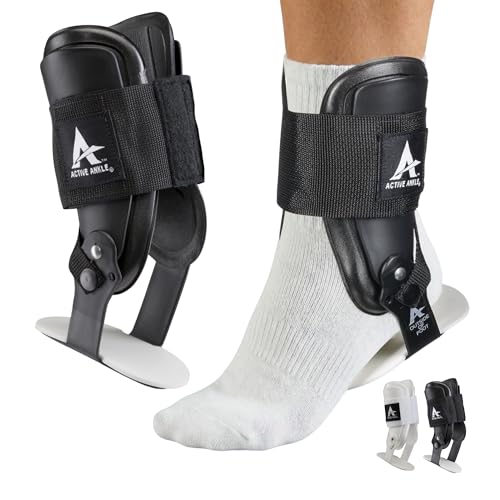
- Rigid U-shaped shell limits lateral movement.
- Lightweight EVA padding for more comfortable wear.
- Low-profile build fits most athletic shoes.
Best For: Athletes needing structured ankle support after sprain
Quick Lace Stabilizer

- 360° figure-8 strapping adds wraparound stability.
- Auto-shaped pads aim for a snug, precise fit.
- Air fabric and laser-cut holes improve breathability.
Best For: Mild sprains and sports use when you want a slim lace-up brace
Rigid Stabilizer Pick – ASO Ankle Stabilizer for Firm Post-Injury Support
If you want rigid ankle braces after injury, the Med Spec ASO Ankle Stabilizer is built for sprains, rolled ankles, and chronic instability. Its figure-8 strap design is meant to control painful twisting while still fitting inside most shoes, making it a practical option for recovery and return to activity.
Best For: Sprained ankles, instability, and athletes who need firm support that still fits in shoes.
Pros:
- Figure-8 straps provide maximum control and help limit twisting.
- CoolFlex padding and nylon construction are designed for breathable all-day wear.
- Fits left or right ankle and works for men, women, teens, and kids.
- Widely recommended for sports like basketball, soccer, volleyball, and running.
Cons:
- It is a lace-up brace, so putting it on takes more time than a sleeve.
- More structured than a low-profile compression option.
Overall, this is the strongest match here if you want a stable, athletic-style brace with a secure fit. It is especially appealing when your priority is controlled movement and dependable support during healing.
Reinforced Everyday Support – BraceUP Low-Profile Brace with Side Stabilizers
For buyers comparing rigid ankle braces after injury, the BraceUP Ankle Brace sits in the middle ground between simple compression and heavier immobilization. It offers reinforced side stabilizers and adjustable straps for mild to moderate support, which makes it useful for sprains, tendonitis, and everyday ankle pain.
Best For: Mild to moderate support for daily wear, activity, and swelling control.
Pros:
- Reinforced side stabilizers help limit lateral motion.
- Adjustable straps let you increase compression gradually.
- Low-profile design is suitable for extended daily wear.
- Breathable material supports comfort during activity.
Cons:
- Not intended for rigid immobilization.
- Not meant for post-surgery recovery.
This is a sensible choice if you want more structure than a sleeve but do not need a fully rigid brace. It is geared toward comfort, adjustability, and reliable support during normal routines.
Adjustable Recovery Support – Dr.Welland Side-Stabilizer Ankle Brace
If you’re looking for rigid ankle braces after injury with a more supportive feel, the Dr.Welland ankle brace uses side stabilizers and adjustable straps to help stabilize the joint. It is designed for sprains, instability, swelling, plantar fasciitis, and Achilles tendinitis, with a focus on targeted compression and recovery support.
Best For: People who want adjustable ankle stabilization for sprains, swelling, and activity.
Pros:
- Side stabilizers and adjustable straps add targeted support.
- Neoprene material is breathable and moisture-wicking.
- Designed by orthopedic surgeons and physical therapists.
- Suitable for left or right ankle in three sizes.
Cons:
- Size selection matters, so you need to check the chart carefully.
- Bulkier than a sleeve-style compression brace.
This brace is a good fit if you want a more structured recovery option without going all the way to immobilization. The adjustable design makes it easier to customize support as swelling or activity levels change.
Lightweight Compression Choice – Modvel Ankle Compression Sleeves, 2-Pack
For rigid ankle braces after injury, the Modvel Foot & Ankle Brace is the most flexible option in this group. It is a low-profile compression sleeve with a built-in stabilizer feel, designed to reduce pain and swelling while staying comfortable inside most shoes for daily movement, training, or recovery.
Best For: Lightweight compression support for sprains, swelling, and all-day wear.
Pros:
- Low-profile knit design fits inside most shoes.
- Targeted compression helps reduce pain and swelling.
- Ambidextrous fit works for either foot.
- Includes a two-pack, so you get a backup sleeve.
Cons:
- Less rigid than strap-based ankle braces.
- Slip-on design may not feel as locked-in as a lace-up brace.
This is the best pick if you want support that feels light and wearable rather than heavily structured. It is especially useful when you need something you can keep on throughout the day without bulk.
Rigid Stabilizer for Acute Sprains – ACE Adjustable Stirrup Ankle Brace
If you want rigid ankle braces after injury that still work with regular shoes, this ACE stirrup brace is built for acute sprains and strain recovery. Its anatomically designed shell and adjustable straps are meant to limit lateral motion, while the pre-inflated air cells add a bit of cushioning and comfort.
Best For: People recovering from an acute ankle injury who want firm lateral support in a shoe-friendly design.
Pros:
- Rigid support with adjustable compression for sprains, strains, and sore ankles
- Soft-edge stirrup design is made to fit comfortably with footwear
- Pre-inflated, adjustable air cells improve comfort and fit
- Wrap-around style is easy to put on and take off
Cons:
- Focuses on firm stabilization rather than flexible, low-profile compression
- May feel bulkier than sleeve-style braces
This is a practical pick if your priority is controlled side-to-side support after an injury. It offers the structure of a rigid brace without giving up too much day-to-day wearability.
Compression Support for Everyday Recovery – INDEEMAX Copper Ankle Sleeve
For rigid ankle braces after injury, some shoppers prefer less bulk and more everyday comfort. This INDEEMAX ankle brace is a compression sleeve with an added adjustable strap, so it focuses on targeted support, breathability, and manageable compression for daily wear.
Best For: Active users who want light, breathable ankle support with adjustable compression for daily protection and recovery.
Pros:
- Copper-infused nylon is designed to be breathable, deodorant, and moisture-absorbing
- Adjustable strap adds customized compression and stabilization
- Lightweight sleeve can be worn with shoes and socks
- Made for sports, walking, running, hiking, and other daily activities
Cons:
- Less rigid than a stirrup or lace-up stabilizer
- Compression sleeve style may not suit users needing maximum immobilizing support
This is a good option if you want support that stays comfortable through long days and workouts. It leans more toward flexible compression than hard stabilization, so it fits a different recovery need than a rigid brace.
Race-Ready Lace-Up Stability – Med Spec ASO Ankle Stabilizer
Among rigid ankle braces after injury, the Med Spec ASO is a strong middle ground between structure and wearability. Its lace-up build and figure-8 straps are designed to limit painful twists, while the CoolFlex padding and nylon construction help it stay comfortable for all-day use.
Best For: Athletes and active users who need secure lace-up stabilization for sprains, instability, and sports recovery.
Pros:
- Figure-8 straps provide maximum control and help limit twisting
- Lace-up design fits inside most shoes
- Breathable padding and nylon are built for comfortable all-day wear
- Works for left or right ankles and a wide range of sports
Cons:
- More structured than a sleeve, so it may feel less minimal
- Lace-up and strap system takes more time to put on
If you want dependable support for injury recovery without going all the way to a bulky immobilizer, this is an excellent fit. It combines secure stabilization with a shoe-friendly profile that suits sports and active routines.
Rigid Side-to-Side Support – Active Ankle T2 Ankle Brace
If you want rigid ankle braces after injury that prioritize side-to-side control, the Active Ankle T2 is built for that job. Its U-shaped shell is designed to minimize lateral movement, while the lightweight EVA padding helps it stay comfortable for longer wear during recovery or play.
Best For: Athletes and active adults who want rigid, low-profile ankle support for sprains and return-to-play use.
Pros:
- Rigid U-shaped shell helps limit side-to-side ankle motion.
- Lightweight EVA padding is meant to mold for a more comfortable fit.
- Low-profile design can fit into most athletic shoes.
- Universal left-or-right use adds flexibility if you need support on either ankle.
Cons:
- Small size is specific to men’s 5-7 and women’s 6-8 shoe sizes.
- Fit guidance suggests sizing up or down for very wide or narrow feet.
- Hand wash only, so it is not a grab-and-go cleanup option.
This brace makes sense when stability matters most and you still need a design that stays relatively light and athletic. It leans more toward structured support than soft compression.
Quick Lace Stabilizer – Slim-Fit Ankle Brace
For rigid ankle braces after injury with a slimmer, more flexible feel, this lace-up stabilizer focuses on wraparound support and breathability. The 360° figure-8 strapping system and auto-shaped pads are meant to stabilize a mildly sprained or injured ankle without pressing directly on the ankle bone.
Best For: People who want a slim lace-up brace for mild sprains, exercise, and everyday sports use.
Pros:
- Two self-shaping pads are contoured for a snug, more precise fit.
- Hook-and-loop fastening is designed for quick, easy on-and-off use.
- Figure-8 strapping adds 360° wraparound stability.
- Air fabric and laser-cut holes are built for better breathability.
Cons:
- Buyer must measure ankle size carefully before ordering.
- Wide feet or swelling may require sizing up.
- Intended for light sprains, so it is not the most heavy-duty option here.
This is a practical pick if you want support that feels closer to athletic taping than a bulky brace. It balances stability, comfort, and airflow well for active use.
Adjustable Stirrup Support – Velpeau Air Gel Foam Brace
If you need rigid ankle braces after injury for a more supportive stirrup-style setup, this Velpeau brace is designed for sprains, ligament injury, and chronic ankle instability. Its rigid splint structure and adjustable heel strap aim to spread pressure evenly while supporting recovery and helping reduce swelling and pain.
Best For: People recovering from more serious ankle sprains or instability who want a supportive stirrup brace with adjustable padding.
Pros:
- Stirrup design provides uniform pressure across the ankle joint.
- Adjustable heel strap helps fine-tune fit across different ankle sizes.
- Foam version is described as warm, breathable, and durable.
- Detachable, washable, and reusable for repeated use.
Cons:
- You must choose the correct left or right foot version.
- Size selection matters, so checking the chart is important.
- Manufacturer suggests consulting a doctor before use.
This brace is the most structured option in the group and is aimed at injury support rather than casual compression. It is a strong match if you want a more medical-style stabilizer with adjustable comfort.
How We Picked These Rigid Ankle Braces After Injury
We prioritized braces that offer meaningful ankle control, reliable fastening, and practical comfort for everyday recovery. We also looked for options suited to different needs, from firm stirrup-style support to lace-up designs and lower-profile compression sleeves.
For Rigid Ankle Braces After Injury, the most important factors are how much motion they limit, how securely they stay in place, and whether they fit inside your shoes without creating pressure points.
Quick Comparison
Some braces are built for maximum restriction and side-to-side stability, while others trade a little control for better comfort and easier all-day wear. Rigid stirrup and structured brace designs are usually better for more acute support needs, while lace-up and hybrid options work well for moderate support and gradual return to activity.
Key Buying Factors for Rigid Ankle Braces After Injury
Support Level
Choose the highest level of support your recovery requires. If your ankle feels unstable or you’re returning after a more significant sprain, a rigid or semi-rigid brace may be the better option than a soft compression sleeve.
Fit and Adjustability
A good brace should feel snug without cutting off circulation. Look for adjustable straps, lace systems, or side stabilizers that let you fine-tune compression throughout the day as swelling changes.
Footwear Compatibility
Many braces work best with athletic shoes or roomier footwear. Check whether the brace is slim enough for your shoes before buying, especially if you need to wear it regularly at work or during sports.
Material and Comfort
Breathable fabrics, smooth edges, and low-bulk construction matter more than they seem. If a brace is too hot or rubs your skin, you’ll be less likely to wear it consistently.
Activity Type
Pick based on how you move. Walking, daily chores, and rehab exercises may call for a different design than court sports, field sports, or uneven outdoor terrain.
Who Should Buy Which Rigid Ankle Braces After Injury?
If you need the most firm stability, look for stirrup-style or structurally reinforced braces. If you want a balance of support and comfort for all-day wear, a lace-up brace is often the best middle ground. If your main goal is light support, swelling control, or a lower-profile fit, compression-based options may be enough.
In general, the best choice depends on your injury severity, shoe fit, and how much motion you need to restrict while you recover. If pain is severe or swelling persists, follow medical guidance before choosing a brace.