Choosing the right transfer aid can make daily care safer, smoother, and less physically demanding for everyone involved.
This roundup of sit to stand lifts with slings focuses on comfort, compatibility, and practical support for home care, rehab, and facility use.
Best 10 Sit to Stand Lifts with Slings Picks for 2026
Stand Assist Sling
Invacare Reliant R130 Stand Assist Sling

- Padded standing-assist fabric
- Color-coded positioning straps
- Washable polyester construction
Best For: Patients who can bear at least 60% weight and need stand-assist transfers
Home Care Lift
ELENKER Sit to Stand Patient Lift
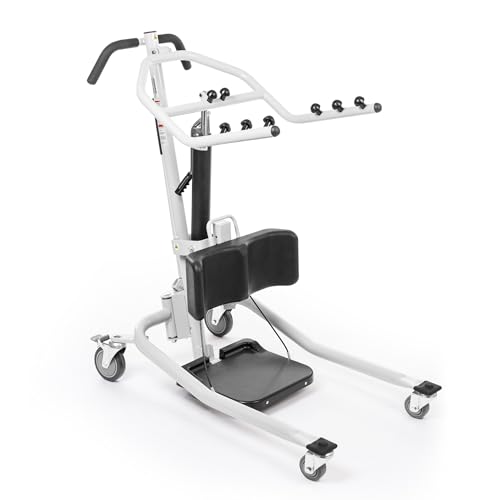
- For partial-weight-bearing users
- Adjustable base, height, and leg support
- Locking casters for safer rolling
Best For: Everyday home transfers with adjustable fit and stable movement
Padded Support Sling
Patient Aid Sit-to-Stand Sling with Back Support

- Padded polyester for comfort
- Fits most sit-to-stand lifts
- Two reinforced connection points
Best For: Compatible sling support for secure sit-to-stand transfers
Universal Lift Sling
ProHeal XX-Large Sit to Stand Sling

- Fits many major lift brands
- Machine washable polyester
- XXL supports up to 600 lbs.
Best For: Users needing a universal, high-capacity sit-to-stand sling
Stand-Assist Transfer Aid
Vive Stand Assist Lift & Sling

- Supports up to 400 lbs.
- Foam grips and cushioned contact points.
- Dual locking brakes and swivel casters.
Best For: Short transfers for users who can bear most of their weight
Universal Sling
Sit to Stand Assist Standing Sling
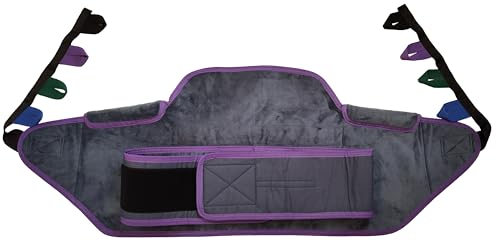
- Fits many stand-up lift brands.
- Three-layer polyester with soft lining.
- Machine washable and reusable.
Best For: Compatible sling replacement for existing stand-up lifts
Quick-Adjust Stand Assist
EZ Assistive Padded Sling with Back Support

- Fully padded underarm support for comfort
- Anti-slip waist material helps keep it in place
- Quick-release buckle and color-coded straps simplify use
Best For: Routine sit-to-stand transfers and quick toileting support
Pressure-Relief Rehab Sling
Thick-Pad Sit to Stand Lift Sling

- Extra-thick padding in back, armpits, and waist
- Anti-slip lining plus adjustable straps for a secure fit
- Safe working load up to 500 lbs and machine washable
Best For: Rehab and home care users needing padded standing assistance
Torso-Stable Transfer Aid
Sit to Stand Lift Sling with Torso Belt
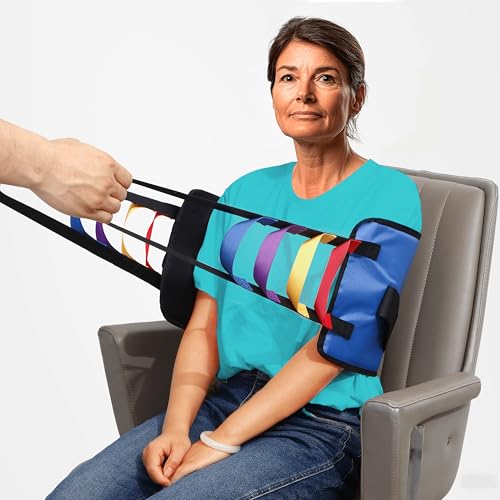
- Wide design helps distribute weight evenly
- Torso belt and non-slip lining improve stability
- Compatible with many sit-to-stand systems
Best For: Weight-bearing users who need controlled, assisted standing transfers
Stand Assist Sling – Invacare Reliant R130 Stand Assist Sling
Invacare R130 Reliant Stand Assist Standing Sling for Patient Lifts, Solid Fabric, One Size
Check Price On AmazonIf you’re comparing sit to stand lifts with slings, the Invacare Reliant R130 is a straightforward standing-assist sling built for users who can bear at least 60% of their weight and maintain head and neck control. It’s intended for standing assistance, quick toileting, weight-bearing practice, and transfers, so it fits a fairly specific rehab-focused use case.
Best For: Users who need a padded stand-assist sling for transfers, toileting, or weight-bearing practice and meet the required mobility criteria.
Pros:
- Designed for standing assistance, quick toileting, and transfer support
- Color-coded positioning straps help with level sling alignment
- Fully padded fabric with a brushed lining for comfort and skin protection
- Polyester fabric is washable for easier maintenance
Cons:
- Only intended for users with at least 60% weight bearing capacity
- Requires head and neck control plus the ability to bend at the hip, knees, and ankles
This is a good fit if you need a supportive standing sling rather than a more generalized transfer option. Its comfort features and clear positioning aids make it practical for caregivers working with the right mobility level.
Home Care Lift – ELENKER Sit to Stand Patient Lift
For buyers comparing sit to stand lifts with slings, the ELENKER Sit to Stand Patient Lift is built as a transfer aid for users who need rehabilitation support or can bear partial weight. It emphasizes stability, with a low clearance for accessing many homecare beds and a sling system designed for fast attachment.
Best For: Home caregivers who want a sit-to-stand lift with adjustable fit, stable rolling, and sling compatibility for everyday transfers.
Pros:
- Supports sit, stand, and transfer use for partial-weight-bearing users
- Multi hook-up points help accommodate people of different heights
- Adjustable base, height, and leg support for flexible setup
- Locking casters and low-friction wheels improve safety and movement
Cons:
- Heavier equipment at 100 pounds
- Requires caregiver setup and adjustment for proper use
This model stands out for adjustability and transfer stability rather than simplicity alone. If you need a sit-to-stand lift that can be tuned to the user and rolled smoothly indoors, it’s a strong practical option.
Padded Support Sling – Patient Aid Sit-to-Stand Sling with Back Support
If you want a sling-focused option in the sit to stand lifts with slings category, this Patient Aid model is designed as a buttock strap with padded lower-back support. It’s made for safe transfers and is described as fitting most sit-to-stand patient lifts, which makes it a flexible add-on for caregivers.
Best For: Caregivers who need a comfortable, sling-style sit-to-stand support for secure transfers with broad lift compatibility.
Pros:
- Padded polyester fabric adds comfort for sensitive skin
- Works with most sit-to-stand patient lifts
- Two reinforced connection points provide reliable support
- Easy to apply for quicker transfer setup
Cons:
- It is a sling accessory, not a full lift system
- Support is focused on sit-to-stand transfers rather than broader lifting tasks
This is a practical choice if you already have a compatible lift and want a secure, padded support sling. Its simple design and broad compatibility make it easy to slot into an existing transfer routine.
Universal Lift Sling – ProHeal XX-Large Sit to Stand Sling
Among sit to stand lifts with slings, the ProHeal Universal Sit to Stand Lift Sling is the size-first option for shoppers who need a broad fit and wide brand compatibility. It’s made from polyester, can be used in wet or dry environments, and is offered in multiple sizes, including an XX-large version with a higher weight capacity.
Best For: Buyers who want a universal polyester sit-to-stand sling with multiple size options and high weight capacity.
Pros:
- Compatible with many brands and models, including Hoyer, Invacare, Drive, Lumex, and Joerns
- Machine washable and air dries at low temperatures
- Available in multiple sizes for different body types
- XX-large size supports up to 600 lbs.
Cons:
- Lift sling only, so you need a compatible patient lift
- Size selection matters to get the correct capacity and fit
This sling makes sense if you need flexibility across different lift brands or want a bariatric-capable option. It focuses on compatibility and capacity rather than built-in lift features, which is ideal for replacement or system-specific use.
Stand-Assist Transfer Aid – Vive Stand Assist Lift & Sling
If you’re comparing sit to stand lifts with slings for home care or facility use, this Vive model is built for patients who can bear about 60-70% of their body weight and need help moving between a bed, wheelchair, toilet, or sofa. It combines a steel-frame stand-assist base with cushioned contact points and locking brakes for controlled transfers.
Best For: Caregivers and users who need a sturdy stand-assist for short transfers and can support most of their own weight.
Pros:
- Supports up to 400 lbs with a steel frame.
- Foam-covered handrails and cushioned shin rests and split seat pads.
- Dual locking brakes help keep the lift steady during transfers.
- Four swivel casters are designed to glide across multiple flooring surfaces.
Cons:
- Widest base point is 26 inches, so doorway clearance should be checked first.
- Designed for people who can already bear 60-70% of body weight, not full lift support.
Overall, this is a practical stand-assist option when stability, comfort, and maneuverability matter more than full-body lifting. The built-in safety features and 2-year guarantee add appeal for everyday use.
Universal Sling – Sit to Stand Assist Standing Sling
When you need sit to stand lifts with slings that work across multiple brands, this standing sling is a straightforward replacement or backup option. It uses a padded three-layer polyester build, includes a safety belt, and is designed for users who need supported standing transfers rather than full-body suspension.
Best For: Buyers who need a universal stand-up sling for compatible patient lift systems.
Pros:
- Compatible with many stand-up lift brands, including Hoyer, Invacare, Drive, Lumex, Medline, and others.
- Three-layer polyester construction with a soft lining for comfort.
- Padded safety belt adds extra security during use.
- Machine washable and air dryable for easier maintenance.
Cons:
- Requires a compatible stand-up lift arm and is not a standalone lift.
- Size selection matters, so users must match the sling to the intended patient.
This sling is a sensible pick if you already have a compatible stand-assist lift and need a comfortable, reusable transfer sling. Its broad compatibility and simple care instructions make it a practical choice for standard use.
Heavy-Duty Stand Assist – Helivora Sit to Stand Lift with Sling
This Helivora pick is aimed at buyers looking for sit to stand lifts with slings that prioritize stability, comfort, and room-to-room mobility. It supports up to 400 lbs, includes a padded transfer sling, and uses a narrow frame with swivel casters to help it move through most standard doorways.
Best For: Home or clinical transfers where stability, adjustability, and a included sling are important.
Pros:
- 400 lb capacity with a low center of gravity for added stability.
- Dual locking casters, safety straps, and anti-slip footrest support secure transfers.
- Adjustable knee pads and flipping PU seat pad help improve fit and comfort.
- Comes with a padded transfer sling and tool-free assembly.
Cons:
- Doorway width should still be measured before purchase.
- At 74 pounds, it may be less convenient to move than lighter aids.
For users who want a more complete transfer solution, this model blends a strong frame with adjustability and included sling support. It’s a solid option when safety features and versatility matter across different flooring types and care settings.
Quick-Adjust Stand Assist – EZ Assistive Padded Sling with Back Support
If you need sit to stand lifts with slings for everyday transfers, this EZ Assistive option is built for fast application and stable support. The padded design helps reduce pressure under the arms, while the anti-slip inner waist material and color-coded positioning straps make it easier to fit and align during transfers.
Best For: Caregivers who want a padded, easy-to-adjust stand assist sling for toileting and sit-to-stand transfers.
Pros:
- Fully padded underarm support helps reduce pressure during use.
- Anti-slip inner waist material helps keep the sling from sliding off.
- Quick-release buckle, Velcro, and buckles make fitting and removal easier.
- Color-coded positioning straps and back handles support alignment and caregiver help.
Cons:
- Only comes in Medium and Large sizing, so fit is limited to listed waist ranges.
- Designed for stand assist use, not full-body lifting.
Overall, this is a practical stand assist sling if you want comfort, straightforward setup, and strong load capacity for routine care. The machine-washable build adds convenience for repeated use.
Pressure-Relief Rehab Sling – Thick-Pad Sit to Stand Lift Sling
For buyers comparing sit to stand lifts with slings, this model stands out for its extra-thick padding and rehab-friendly support. It is designed to help users rise with less effort while also reducing caregiver strain, making it suitable for home care, rehab centers, and nursing facilities.
Best For: Seniors, stroke recovery, and rehab settings that need a cushioned standing-assist sling with strong load capacity.
Pros:
- Thick padding in the back, armpits, and waist helps relieve pressure points.
- Anti-slip lining and adjustable hook-and-loop straps help improve security.
- Rated for safe working load up to 500 lbs, with dynamic and static testing details provided.
- Machine washable at 80°C for easier cleaning between uses.
Cons:
- Large size only, so it may not fit every user.
- Best suited for users who need stand assistance, not full lifting.
This is a strong choice if comfort and pressure relief matter as much as transfer support. It balances durability, easy cleaning, and secure fit features for ongoing care use.
Torso-Stable Transfer Aid – Sit to Stand Lift Sling with Torso Belt
This sit to stand lift sling with slings-style support is aimed at controlled, active transfers rather than full lifting. The wide design, torso belt, and non-slip lining are meant to keep the user stable while reducing caregiver strain during repeated standing assistance.
Best For: Active users who can bear weight and need a stable transfer aid for home or rehab care.
Pros:
- Wide 72″ x 9.8″ design helps distribute weight more evenly.
- Torso belt and non-slip inner lining help reduce slipping and sudden shifts.
- Ergonomic padded handles and color-coded loops support caregiver positioning.
- Compatible with many sit-to-stand systems, including Sara Stedy and several major brands.
Cons:
- Not intended for fully dependent or non-weight-bearing patients.
- Requires the user to participate and follow instructions during transfers.
If you need a transfer aid that supports standing without turning into a full-body lift, this is the most specific option here. Its design focuses on stability, dignity, and reducing strain during everyday care.
How We Picked the Best Sit to Stand Lifts with Slings
We prioritized safe standing support, sling stability, build quality, and broad compatibility with common lift systems. We also looked for options that make transfers easier for caregivers without sacrificing patient comfort.
For Sit to Stand Lifts with Slings, the most useful products are the ones that balance secure positioning, simple fitting, and reliable sizing.
Quick Comparison
Some models are better for general stand-assist transfers, while others emphasize extra padding, torso or belt support, or compatibility with specific systems such as Hoyer- or Sara Stedy-style equipment. Your best choice depends on the user’s mobility level and the lift you already own.
Key Buying Factors for Sit to Stand Lifts with Slings
Compatibility
Check that the sling matches your lift brand, frame style, and attachment points. Universal compatibility is convenient, but exact fit still matters for safety and ease of use.
Support Style
Some users need a simple stand-assist sling, while others benefit from padded back support, torso straps, or a belt for added stability. Choose the least restrictive option that still provides confident support.
Size and Weight Capacity
Measure the user carefully and confirm the sling size before buying. A proper fit helps keep the torso centered and reduces slipping during transfer.
Padding and Comfort
Look for padded leg, back, or torso contact points if the sling will be used frequently. Better padding can improve tolerance during repeated transfers.
Use Environment
Home care usually favors easy setup and simple cleaning, while clinical settings may need more durable materials and faster turnarounds between uses.
Who Should Buy Which Sit to Stand Lifts with Slings?
Choose a basic stand-assist sling if the user can bear some weight and only needs help rising and moving short distances. Pick a padded or belt-supported design if extra trunk control is needed. If you already own a specific lift system, prioritize confirmed compatibility over extra features. For caregivers comparing Sit to Stand Lifts with Slings, the safest choice is usually the one that best matches mobility level, equipment fit, and day-to-day comfort needs.